
Ideas, Design, Engineering, More…
MAKE
your single port of call
At MAKE we don't separate design from engineering. We combine them.
Our Birmingham studio brings together industrial design, 3D CAD, FEA, DFM, CGI visualisation, and prototyping under one roof, giving B2B clients faster decisions, fewer costly revisions, and better product outcomes.
Whether you're developing a new product from scratch, validating a design, or need photorealistic CGI for a pitch or launch. We have the technical depth and creative clarity to move your project forward.
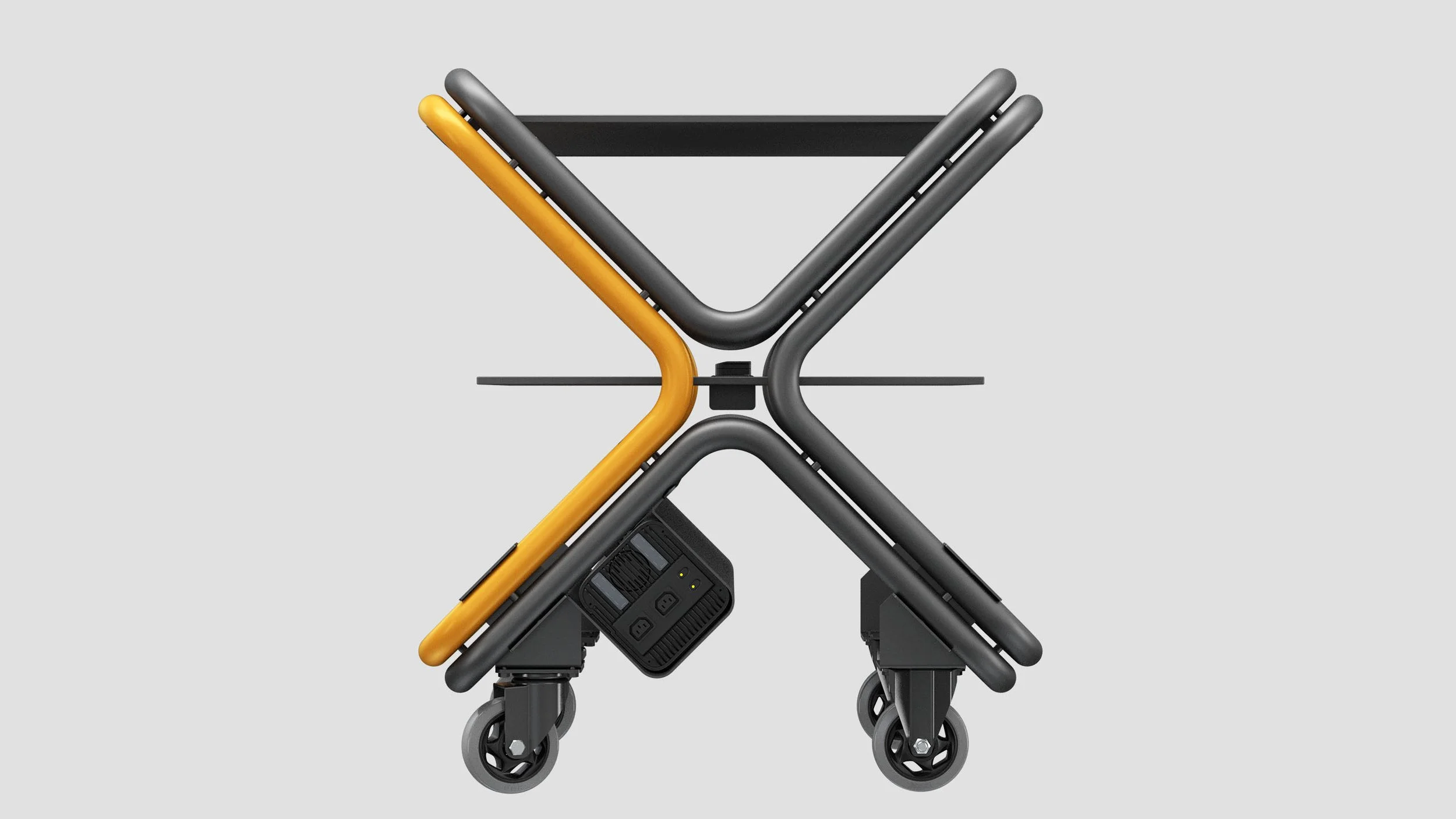
CONCEPT DESIGN
EXAMPLE PROJECT - Space Frame
Research and brief development, Feasibility, Conceptualisation, Direction Sign-Off, CMF, DFM evaluation, Presentation Visualisation
-
Every successful product begins with a clearly defined concept, one that resolves the tension between user need, manufacturing reality, and commercial viability before a single component is committed to CAD. MAKE’s industrial design service covers the full front-end design process: from brief interrogation and market positioning through to sketching, concept refinement, and design direction sign-off.
We work with B2B hardware manufacturers, technology companies, and independent innovators who need a design partner capable of both creative thinking and engineering-led decision making. Our approach avoids aesthetic solutions that look convincing in presentation but create downstream problems in manufacture. Every concept we develop is evaluated against producibility from day one.
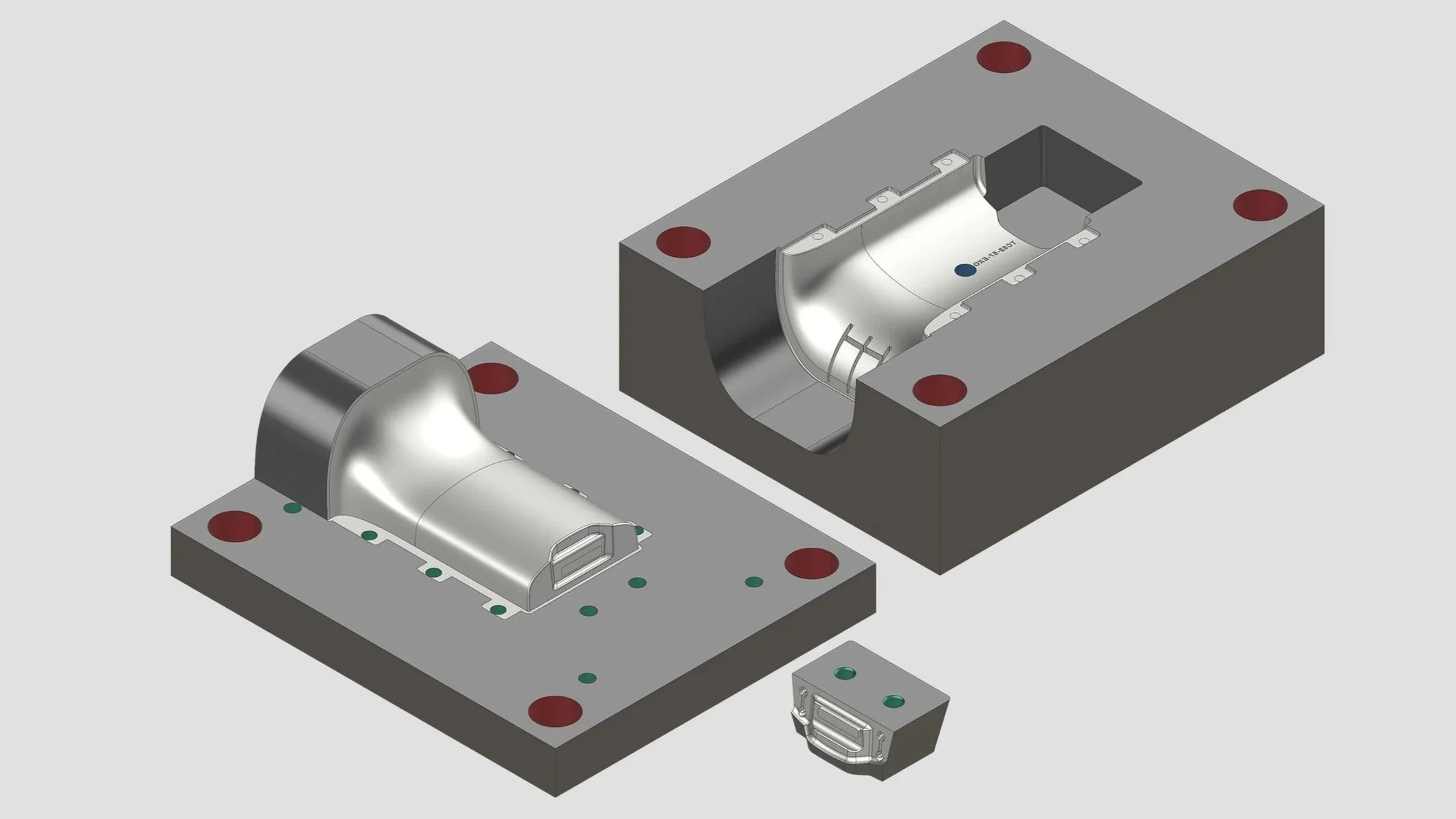
PRODUCTION
EXAMPLE PROJECT - Injection Moulding
Design for Plastic Injection Moulding, Sheet Metal, CNC, Extrusion and many other processes
-
MAKE’s core technical competency is 3D CAD, producing accurate, manufacture-ready geometry across a range of software environments to suit the demands of each project.
Our tools of choice enable us to create complex NURBS surface geometry, freeform product development, and projects requiring highly refined aesthetic surfaces. We also employ traditional CAD where full parametric feature history, assembly constraints, and engineering drawing outputs are the priority, typically for sheet metal components, mechanical assemblies, and injection moulded parts.
Computational geometry expands our capability, enabling design systems that respond automatically to input parameters rather than requiring manual updates.
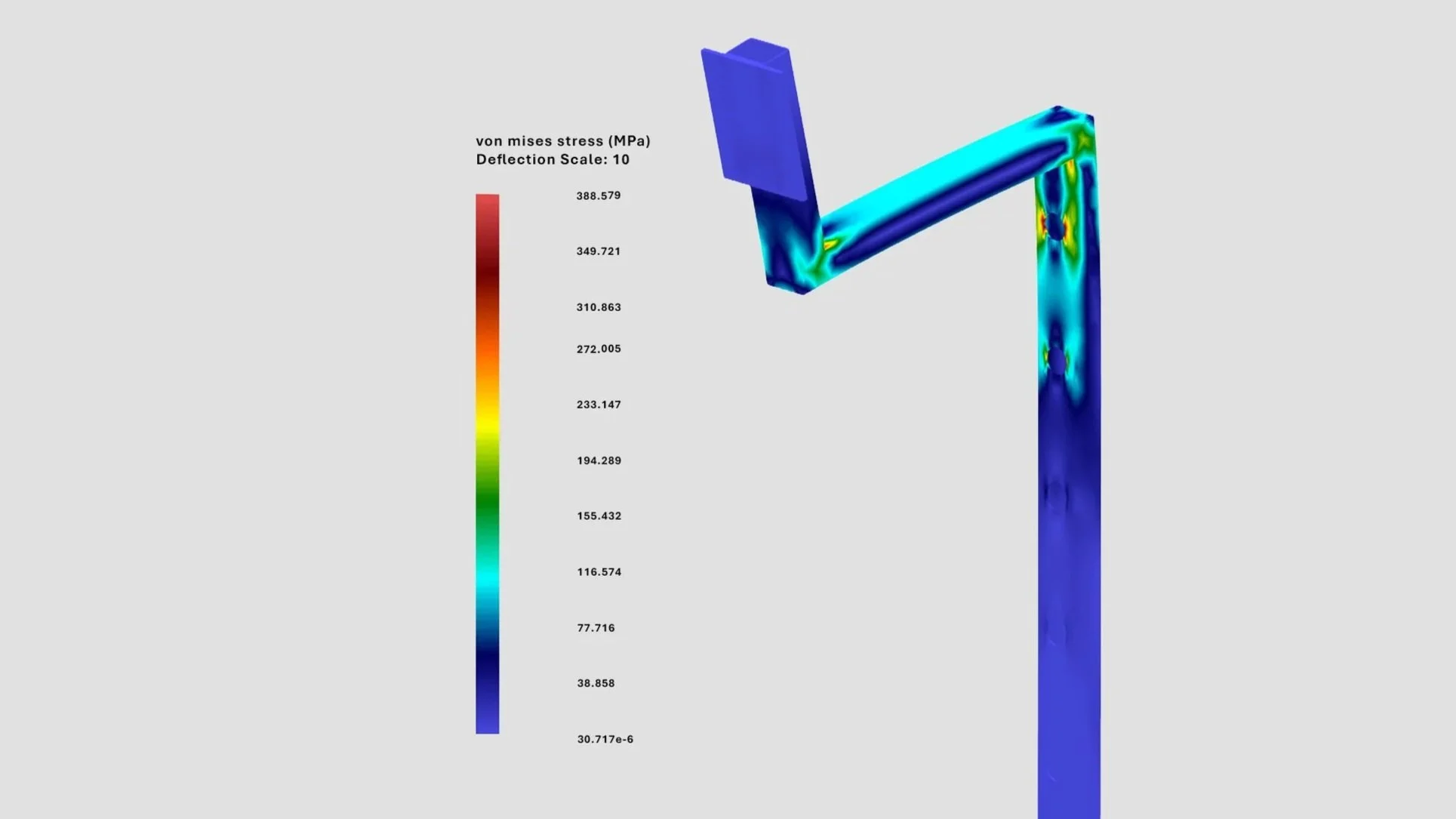
ANALYSIS
EXAMPLE PROJECT - Load Bear
FEA and computational analysis to ensure manufacturability and engineering robustness
-
Finite Element Analysis (FEA) allows the structural performance of a product or component to be evaluated computationally, testing how it responds to real-world loads, stresses, pressures, and vibration before physical prototypes are committed to. MAKE provides FEA as both a standalone consultancy service and as an integrated part of the wider design and engineering process.
Our FEA capability covers linear static analysis, load and stress distribution, displacement under load, and safety factor evaluation, for sheet metal structures, injection moulded components, bracket and mounting systems, and bespoke fabricated assemblies. FEA is particularly valuable ahead of tooling investment, certification programmes, or where a design needs to demonstrate structural compliance without the cost and time of physical destructive testing.
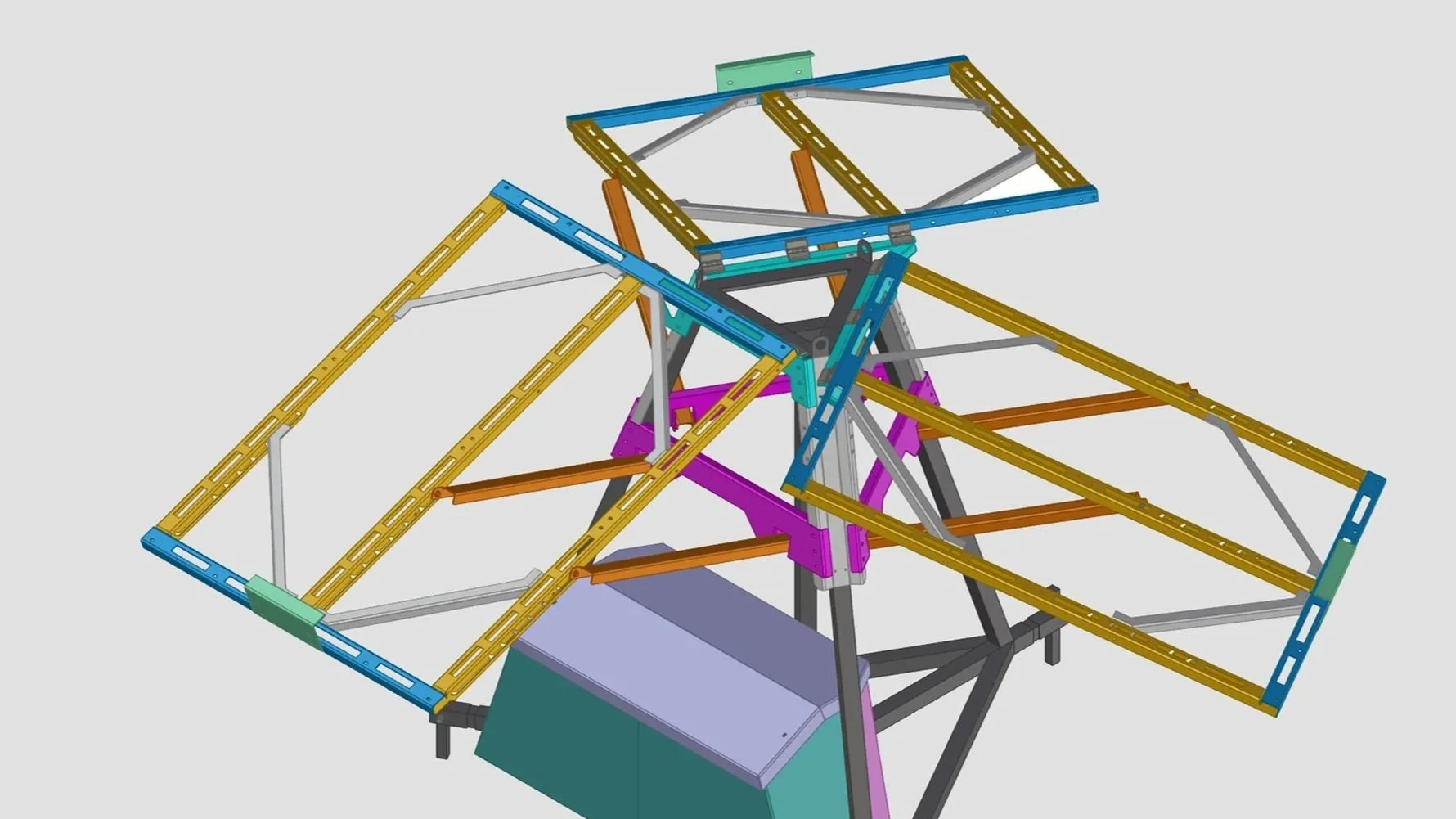
DFMA
EXAMPLE PROJECT - HS2 Solar Array
Complex design management, part specification and assembly
-
Design for Manufacture and Assembly (DFMA) is the practice of engineering a product with its production method in mind from the outset, ensuring that the final design is not only functional and aesthetically resolved, but genuinely producible at the target cost, quality, and volume.
MAKE applies DFMA principles across all process types: injection moulding, sheet metal fabrication, CNC machining, extrusion, vacuum casting, and additive manufacturing. We evaluate draft angles, wall thicknesses, parting lines, tooling split lines, assembly sequences, fastener counts, and tolerance stacks, identifying and resolving manufacturing risks before they become costly engineering changes. For clients developing products for volume production, early DFMA review consistently delivers the highest return on design investment.
PROTOTYPING
EXAMPLE PROJECT - Adapter Bracket
3D Printing in FDM, SLS, SLA and DLP as well as CNC, Vacuum Casting, General Fabrication and bespoke model making
-
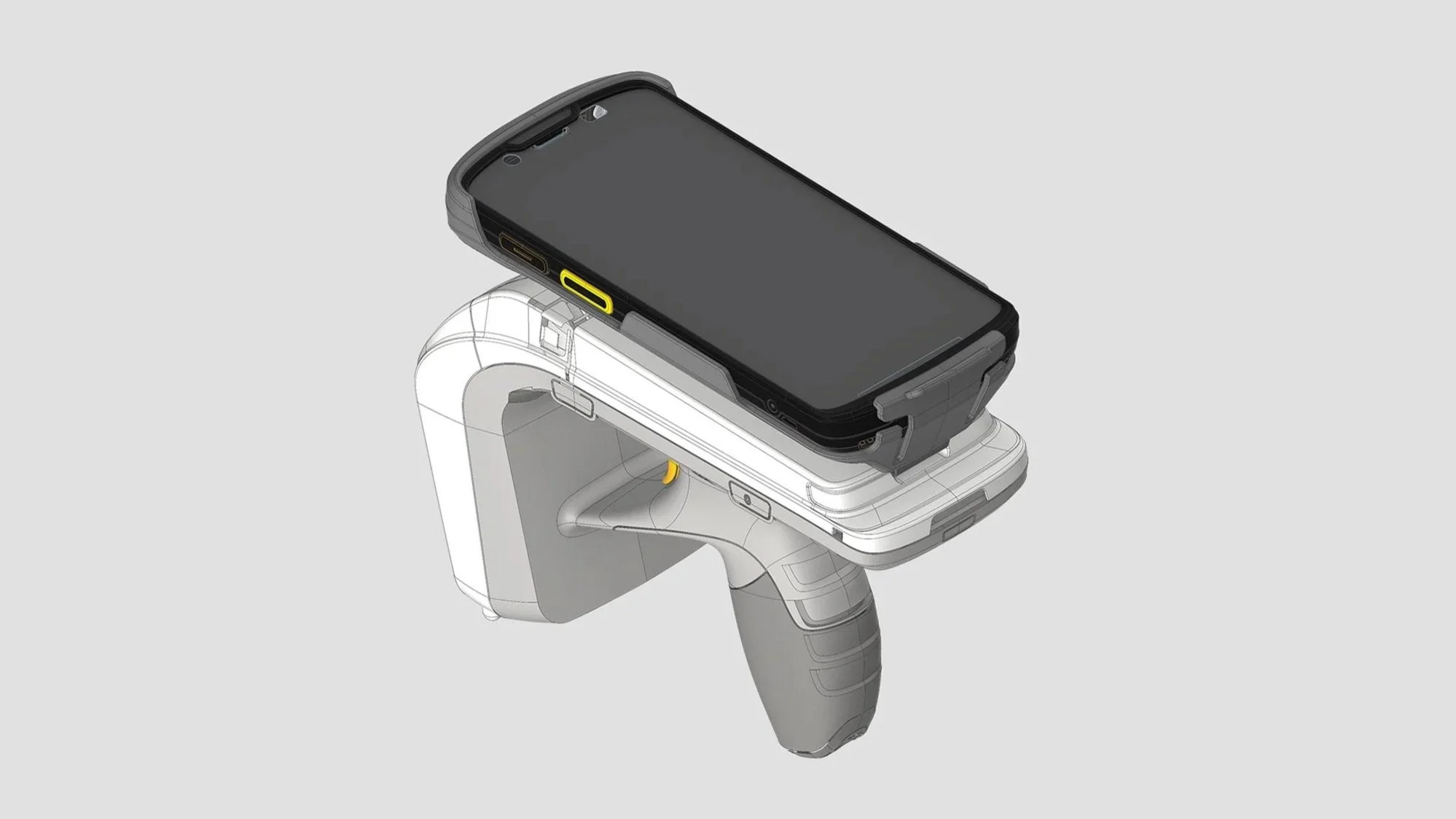
Physical prototypes remain the most effective way to validate a design, revealing ergonomic issues, assembly challenges, and aesthetic decisions that digital models alone cannot fully expose. MAKE manages the prototyping process from design optimisation for the chosen process, through to production of the physical model, working with a trusted network of specialist manufacturers.
We support a full range of prototyping technologies: FDM, SLS, SLA, and DLP additive manufacturing for rapid concept and functional models; CNC machining for accurate dimensional representation in target materials; vacuum casting for low-volume pre-production units in production-representative polymers; and general fabrication for bespoke one-off structural builds. For each project we recommend the most appropriate technology based on the validation objective, not simply the quickest or cheapest option.
CGI RENDERING
EXAMPLE PROJECT - MULTIPLE
Photo-realistic CGI Rendering for design validation and marketing images. Bringing ideas to life with animation.
-
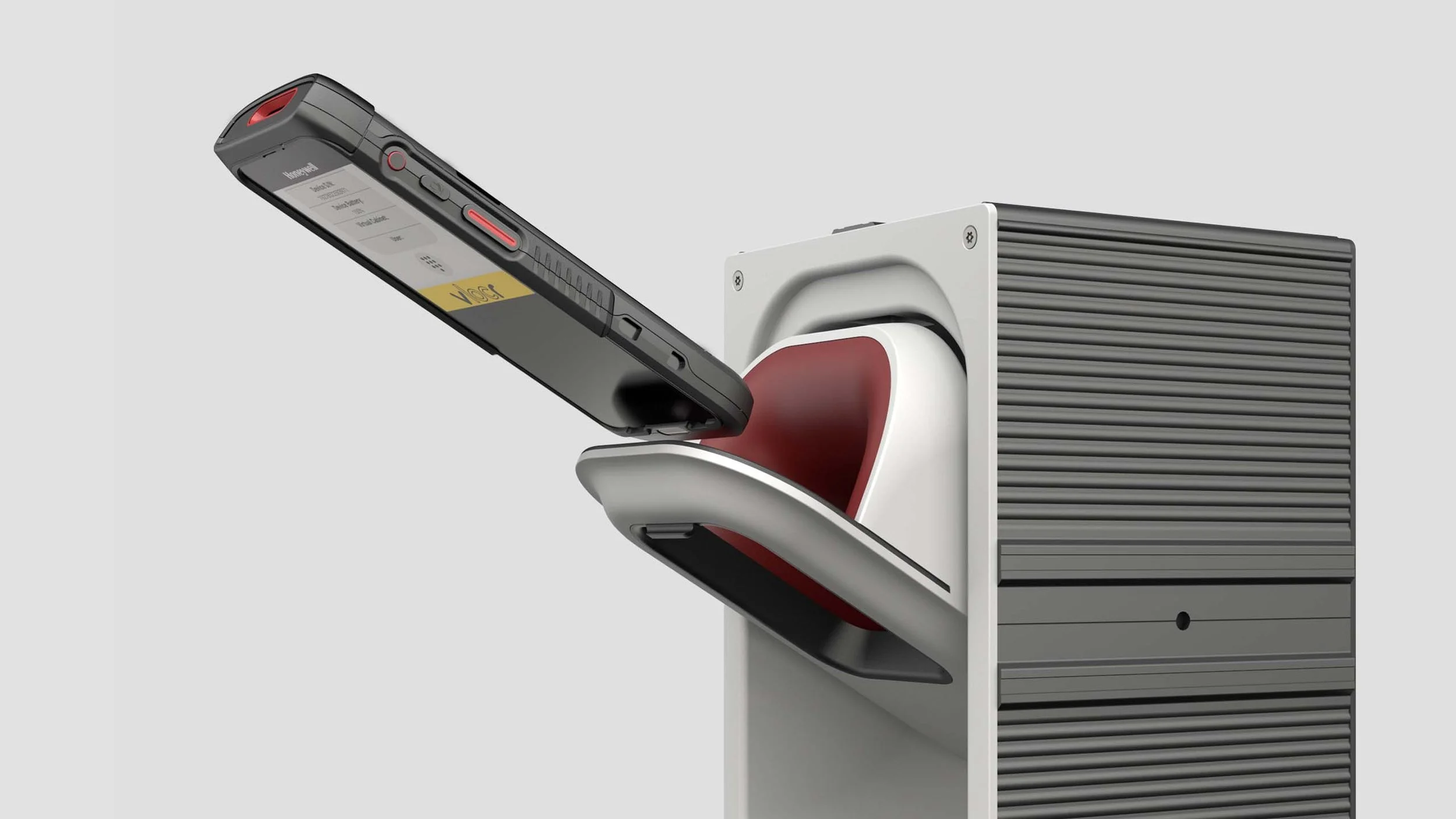
Photorealistic CGI is one of the most commercially valuable outputs MAKE produces, enabling clients to communicate, sell, and market products before tooling is cut or physical samples are available. Our CGI service uses V-Ray to produce studio-quality product imagery, lifestyle scenes, and animated sequences from CAD data.
CGI is particularly powerful in the B2B hardware sector, where products are often complex, visually distinctive, and difficult to photograph effectively at the pre-production stage. A high-quality render suite (hero images, variations, exploded views, and detail shots) gives a sales and marketing team everything they need to launch, pitch, and close business ahead of first production units. We also produce engineering animations for assembly instruction, explainer, and technical presentation purposes.
GRAPHICS
EXAMPLE PROJECT - MULTIPLE
Beautiful instructional graphics, efficient patent drawings and branding / logo design
-
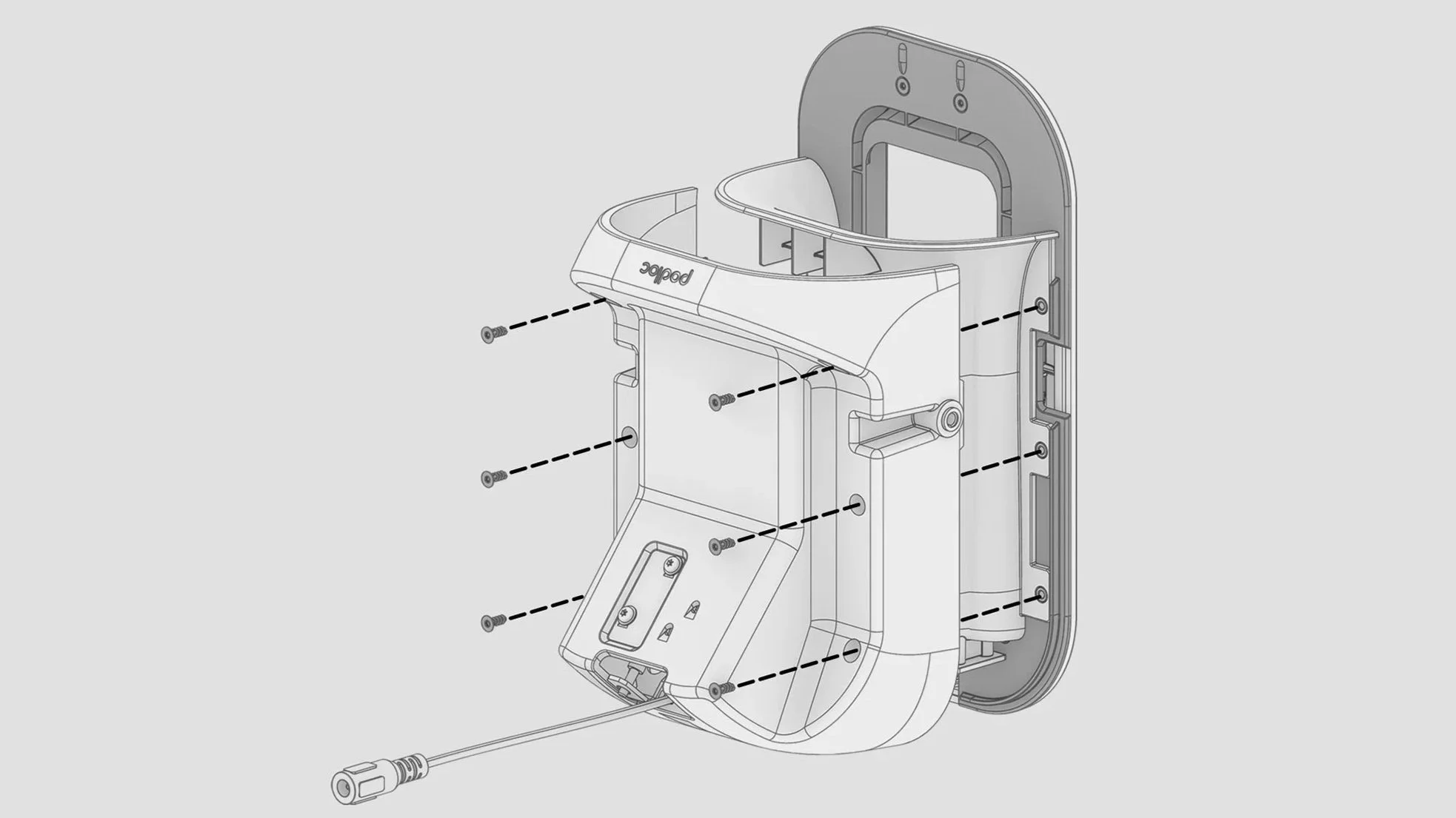
Clear, accurate technical graphics are essential for everything from patent applications and user manuals to assembly instructions and regulatory submissions. MAKE produces a full range of technical illustration and graphic design outputs, combining CAD accuracy with considered visual communication.
Our graphics capability spans patent-standard line drawings produced to EPO and USPTO conventions, assembly and installation instruction graphics, exploded part diagrams, technical branding and logo design, and custom illustration for product documentation. We work directly from 3D CAD where available, ensuring dimensional accuracy and consistency across all outputs, eliminating the discrepancies that arise when illustrations are produced independently from the CAD model.
Not sure where to start? That’s what we’re here for.
Most projects don’t arrive with a neat brief and a clear scope. They arrive as a problem, an opportunity, or an idea that needs shaping.
MAKE is experienced in working through ambiguity, helping clients define what they actually need before committing to a solution.
Speak to us at no obligation. We’ll give you a straight assessment of what’s involved, what it’s likely to cost, and whether we’re the right fit for the work.